



 Roller blinds
 Double roller blinds
 Roman blinds
 Venetian blinds
 Vertical blinds
 Panel blinds
 Order Free Samples
 Spare Parts
 How To Guides
 Book A Design Consultation
 Inspiration
 Upload Your Plans
 Curtains
 Double curtains
 Design PVC plantation shutters
 Design Australian PVC plantation shutters
 Design motorised roller blinds
 Design motorised curtains
 Success Stories
 Blogs
 FAQ
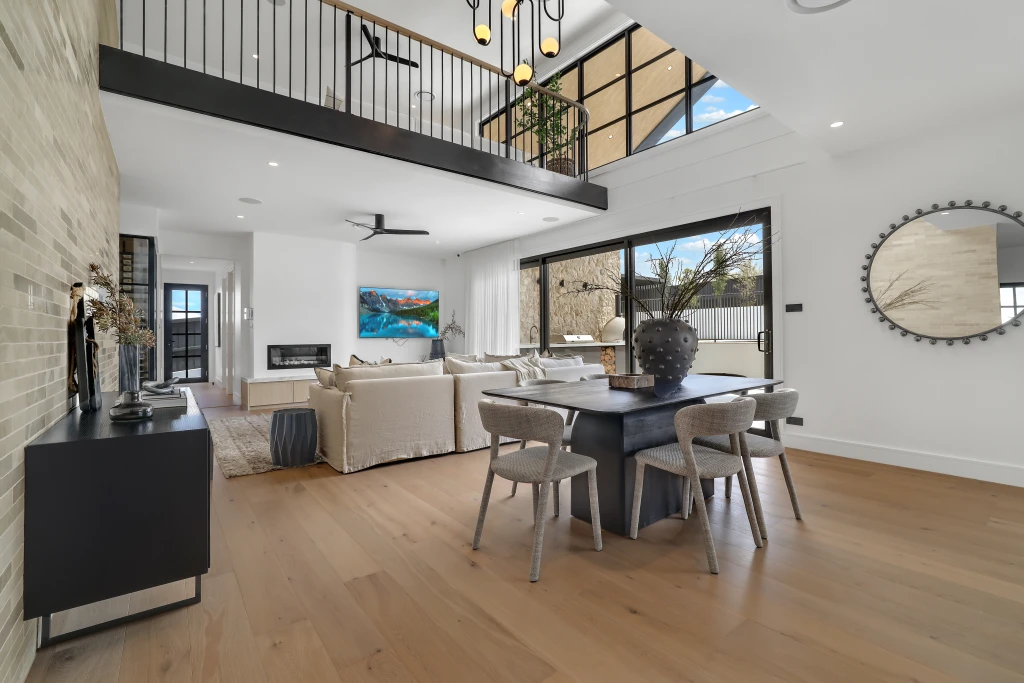

Roller Blinds Buying Guide: Which Roller Blind Should I Buy?
Buying a roller blind comes down to five decisions, and you make them in this order: one blind or two on the window, which fabric, chain or motor, inside or outside the opening, and then the tape measure. Get the first two right and the rest is detail. This is a DIY guide: you measure, we make each blind to your sizes in Australia, and you fit it yourself with two brackets and a drill. If you'd rather see the fabrics and prices first, they're all on our roller blinds page.
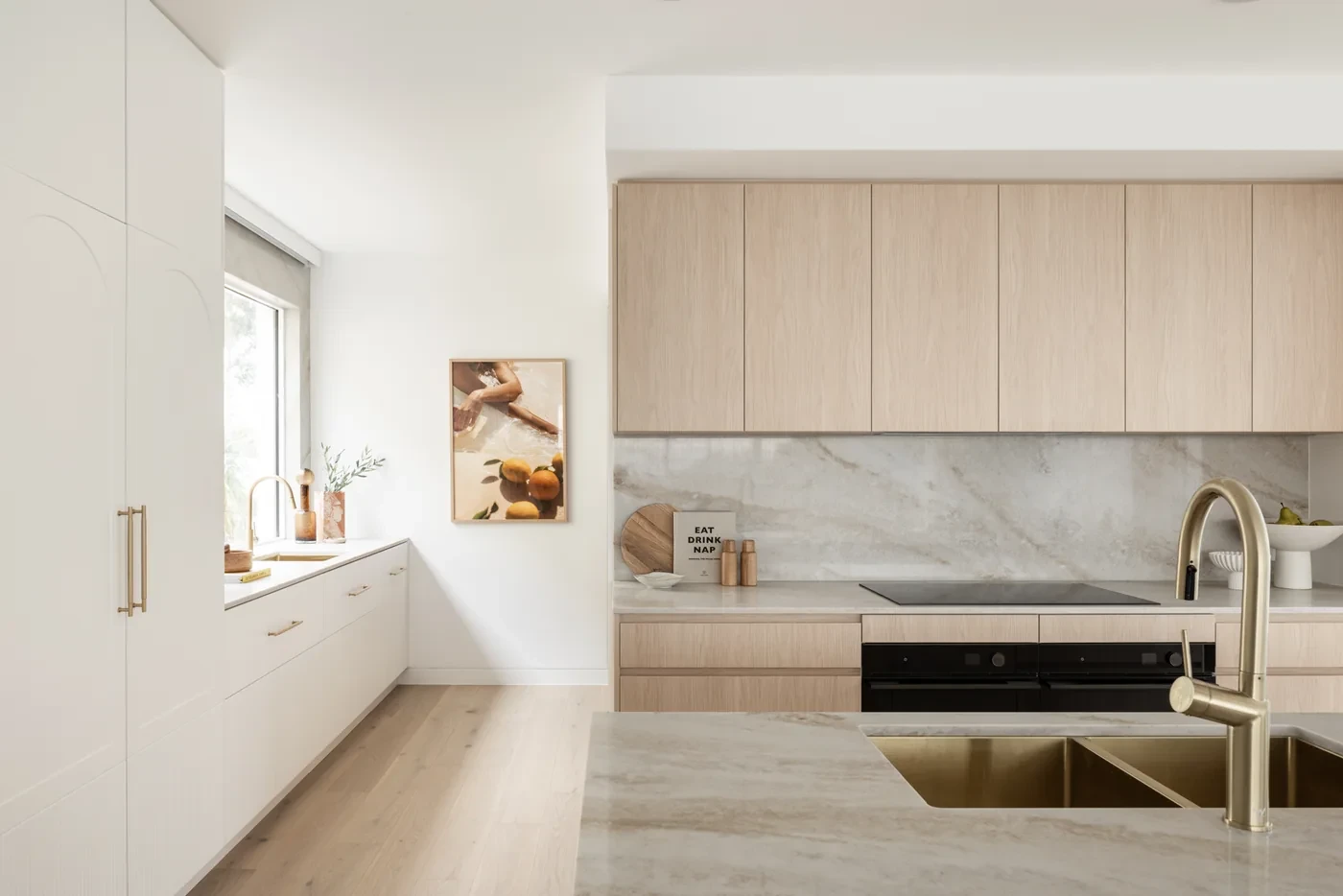
Single or double roller blind?
Start here, because it decides how many fabrics you're choosing. A single roller is one blind on one set of brackets, with one fabric and one light level. A double roller puts two blinds on one bracket: a blockout for the night, and a lighter sunscreen or light-filtering blind for the day. You run them on separate chains, so you can have either one down, or both.
Here's the simple test. Does the room need two different things from the window at different times of day? A street-facing bedroom does: privacy and soft light by day, dark at night. So does a lounge room where you want the view at lunch and nobody looking in at 8pm. Those suit a double. A room that only ever needs dark, or only ever needs glare cut, gets a single roller. It costs less, and it fits a shallower window.
- Single roller: one fabric, 60mm of depth to fit inside the opening, made 250 to 3,000mm wide.
- Double roller: any of our 10 blockouts with any of our 9 lighter fabrics, about 125mm of depth to fit inside the opening with the regular bracket, or 100mm with the slimline double bracket, made up to 2,800mm wide. You choose which blind sits at the front.
Blockout, light-filtering or sunscreen fabric?
This is the decision people get wrong most often, so pick by how you want the room to feel, not by the fabric name. We make roller blinds in 12 fabric ranges, split into three light levels.
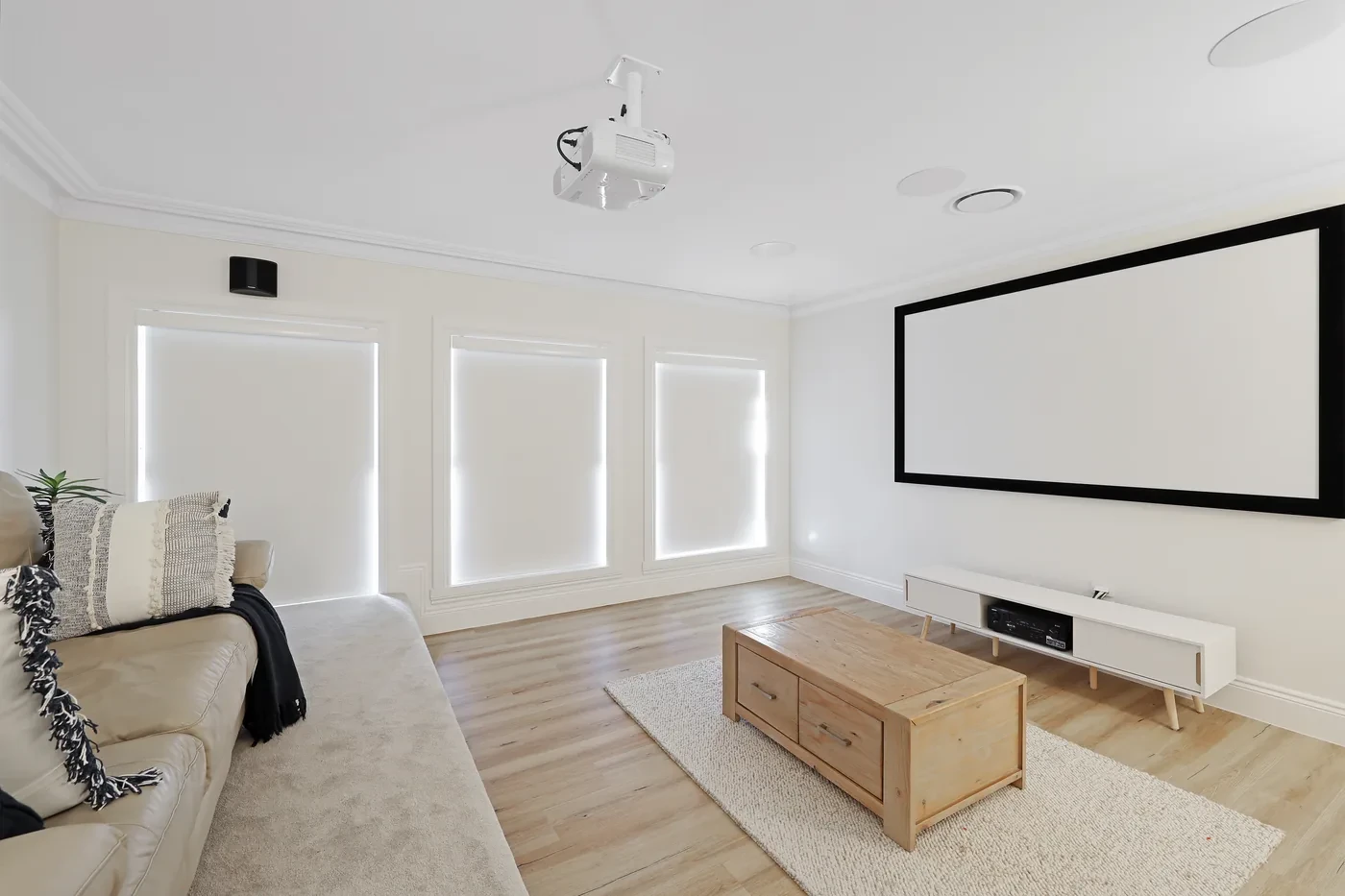
- Blockout (10 fabrics): stops light coming through the cloth and gives privacy day and night. A little light still gets in around the edges. For bedrooms, nurseries and media rooms. See every option on our blockout blinds page.
- Light-filtering (7 fabrics): turns direct sun into a soft glow, and people can't see in by day. After dark with the lamps on, shapes show through. For lounge rooms, dining rooms and studies.
- Sunscreen (2 fabrics): a see-through mesh that cuts glare and keeps your view by day. At night with the lights on, people can see in. For kitchens, home offices and rooms with an outlook worth keeping.
Light-filtering and sunscreen are what most people mean by sheer roller blinds. Neither one is private at night, which is the single most common reason a buyer ends up adding a blockout later. If you know you'll want night privacy, plan for it now with a double.
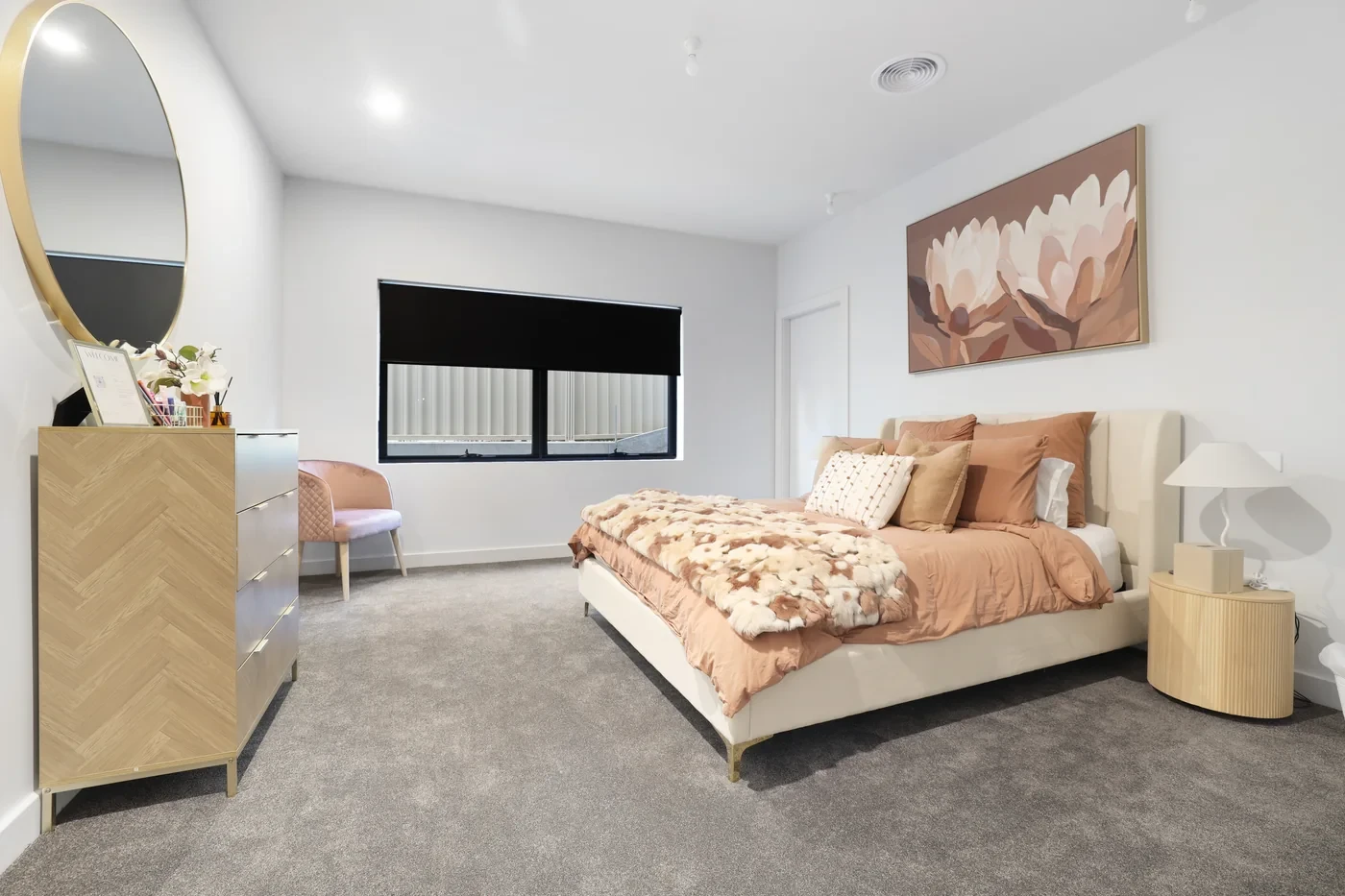
A few things the swatch card won't tell you. Darker sunscreens are easier to see through than pale ones, so a charcoal screen gives the clearest view out. For a kitchen, bathroom or laundry, Focus and Vibe are very hardy blockout fabrics, and Focus can be wiped down. And colours shift in your own light, so order free roller blind samples (up to 10, posted free) and hold them against the glass at the time of day you actually use the room.
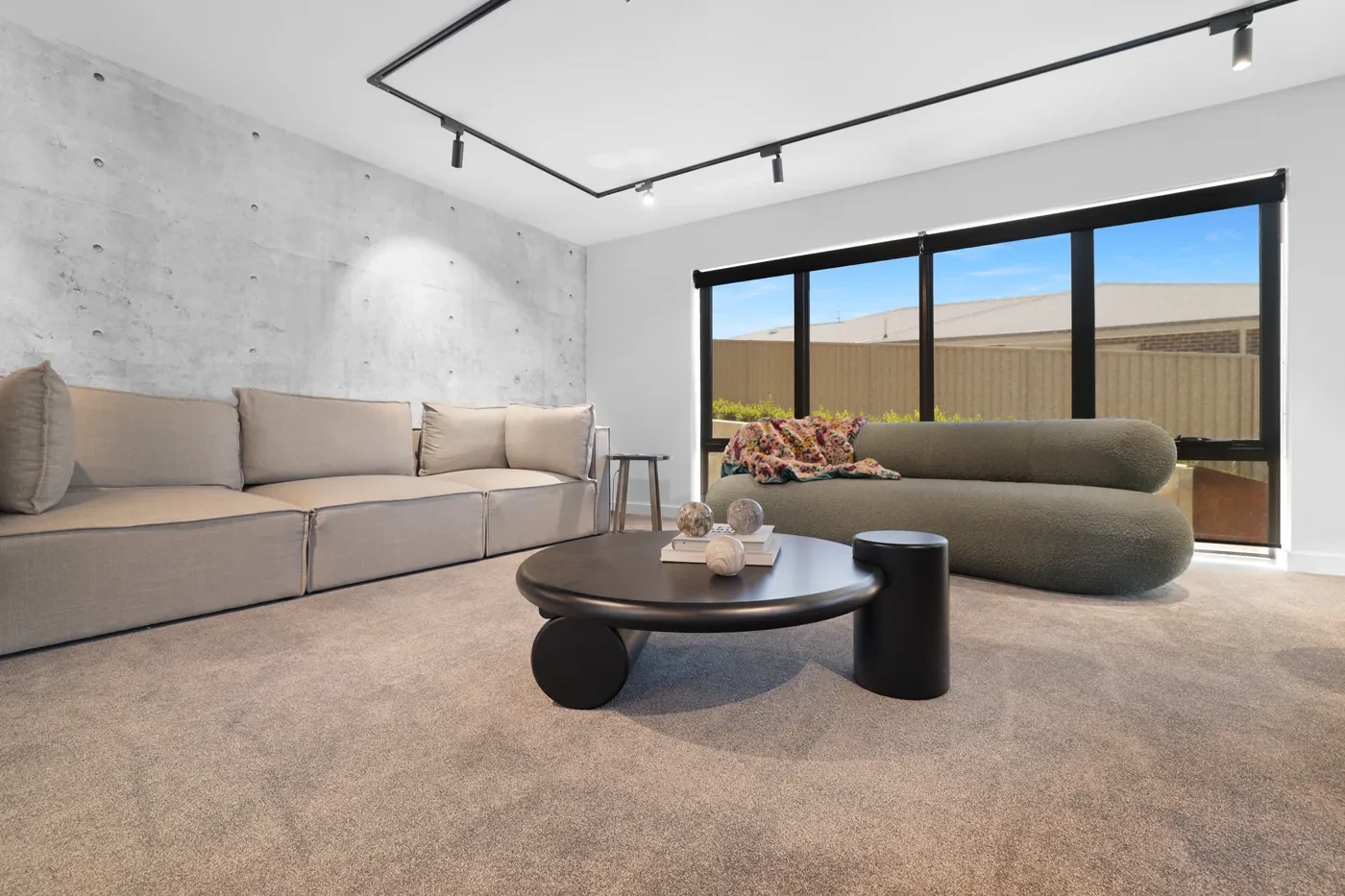
Chain or motorised?
Most people choose the chain, and it's included in the price you see. You pick the side it hangs on (left or right, as you look at the blind from inside the room) and a colour: white, black or grey, or black nickel and stainless steel for a little extra. We cut the chain to suit your drop so the end sits about a metre off the floor. Every chain blind comes with a chain tensioner that holds the chain against the wall. Fit it when you hang the blind.
A motor means no chain at the window at all. It earns its keep on high windows, rows of three or more blinds where one remote moves them together, and kids' rooms. You choose between two kinds:
- Battery: recharges from a USB cable about twice a year and needs no electrician. Options are the Acmeda Automate Wire Free (1.1 Nm or 2.0 Nm) and the Somfy Sonesse 30 Wire Free.
- Wired: never needs charging, but needs power at the window, so it suits a new build or a renovation. Options are the Acmeda Automate E6, Somfy Altus RTS and Somfy Sonesse RTS.
The remote has to match the motor brand: Acmeda with Acmeda, Somfy with Somfy. Our guide to automating roller blinds goes through each motor, the remotes and hubs.
Inside or outside the window opening?
Settle this before you pick up the tape, because it changes what you measure. A recess fit sits inside the opening. A face fit goes on the wall or architrave around it. The designer asks it as "where does it sit?"
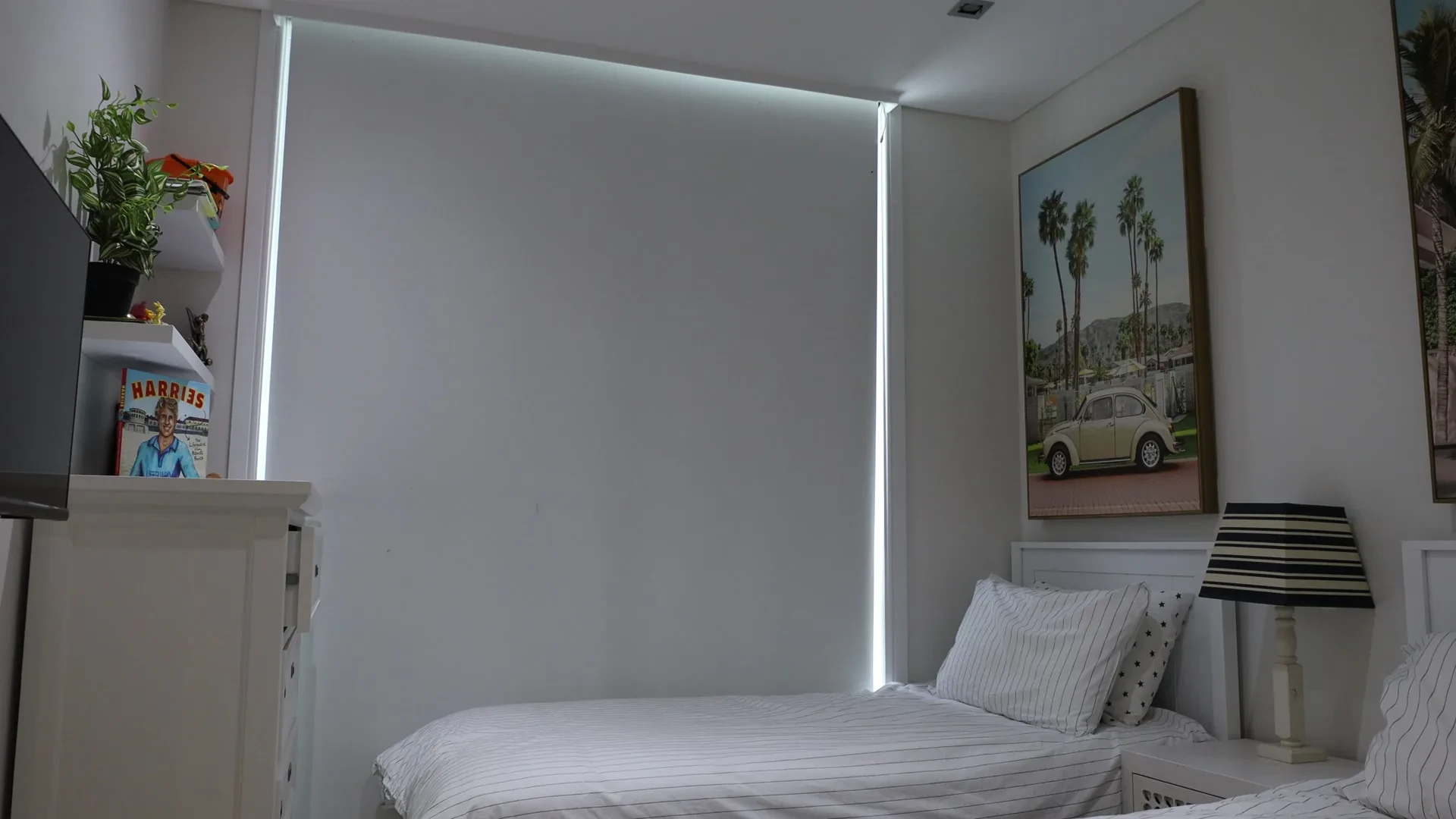
- Inside (recess fit): neat and tucked in, with nothing on the wall. It needs at least 60mm of depth for a single roller and about 125mm for a double (100mm with the slimline double bracket), and a square opening with nothing sticking into it. You get a thin line of light down each side.
- Outside (face fit): covers the window and its frame, and blocks the most light. Make it at least 50mm wider than the opening each side and 70mm above. It's the usual pick for bedrooms, and the safe one if you're unsure.
Two fixes for the edges. A pelmet (100 or 120mm, metal or fabric-wrapped) hides the roll and closes the light gap at the top. We don't make side channels, so a roller on its own always lets a slim line in at the sides; a face fit closes most of it. If a window handle or winder pokes into the opening, choose a front roll, where the fabric comes off the front of the tube and clears it. If the handle sticks out more than 45mm, the 55mm extension bracket sits further off the wall.
How to measure for roller blinds
You need a steel tape (cloth tapes stretch), a pencil and a few minutes per window. Work in millimetres every time.
- Width: measure across at the top, the middle and the bottom. Recess fit: measure inside the opening and give us the smallest, with nothing taken off. Face fit: give us the width you want covered.
- Drop: measure the height at the left, centre and right. Recess fit: to the sill, and give us the smallest. Face fit: from where the brackets go to where the bottom bar should finish.
- Write it down as width × drop, for example 1,210 × 1,500, with the room name. The designer asks which room each blind is for, and it goes on the label.
Don't take your own deduction on a recess fit. We already make it, so if you take some off too, the blind arrives short. Measure every window even if two look the same, and measure the window rather than the old blind. Our measuring guide shows exactly where the tape goes, with a video.
Nervous about your numbers? The Perfect Fit Guarantee is an optional paid add-on. We video call you to check your measurements, window by window, before we make anything. If a covered blind still arrives the wrong size because of a measuring error, tell us within 14 days and we make it again (up to five blinds a household).
What happens after you order
Each blind is made to your measurements in Australia on Rollease Acmeda hardware with a 45mm aluminium tube, and dispatched in 8 to 15 business days. Delivery is worked out from your postcode at checkout, before you pay. Every roller has a 5-year warranty.
Fitting is a DIY job of about two brackets, a drill and a level per window. Screws aren't included, because brick, timber and plasterboard each need different fixings. Screw the brackets in, click the blind into place and fit the chain tensioner. The roller blind install guide walks through both fits, and if you lose a bracket cover or end cap later, roller blind spare parts are sold on their own.
Common questions
Which roller blind should I buy for a bedroom?
A blockout roller, face fitted so it overlaps the window, with a pelmet if you want the top gap closed. If the bedroom faces the street and you also want soft light by day, make it a double roller with a light-filtering or sunscreen blind in front.
Is a double roller blind worth it?
Yes, if one window needs privacy by day and dark at night: you get both from one set of brackets. If the room only ever needs one or the other, a single roller costs less.
Can you see through sunscreen roller blinds at night?
Yes, when the lights are on inside. Sunscreen is a daytime fabric. Where night privacy matters, choose blockout or a double roller with a blockout behind.
How much depth do I need to fit a roller blind inside the window?
At least 60mm for a single roller and about 125mm for a double with the regular bracket, or 100mm with the slimline double bracket. Shallower than that, choose a face fit on the wall.
Can I install roller blinds myself?
Yes. Each blind hangs on two brackets: screw them in, click the blind in and fit the chain tensioner. Bring fixings to suit your wall, as screws are not included.
Design your roller blind
Pick the fabric and the fit, enter your width and drop, and see the price as you go. Need two on one bracket? Start with a double roller blind.
You may also like

You may also like
Subscribe for new fabrics and install tips.
One email a month: new fabrics, install tips, the occasional honest before/after.
No spam, no daily-deal noise.

It’s never too early to consider window furnishings when you’re planning on renovating or building. Our expert team of design consultants can help create unique solutions and seamless designs and even quote directly off your house plans.





More Info
InspirationAbout UsContact UsOur ArticlesSuccess StoriesPerfect Fit GuaranteeDelivery InformationCustomer ReviewsFrequently Asked QuestionsGet in Touch
Address: 16 Bradwardine Road, Robin Hill NSW 2795
Email: hello@homeblindsaustralia.com.au
Phone: 1300 195 797
More Info
InspirationAbout UsContact UsOur ArticlesSuccess StoriesPerfect Fit GuaranteeShipping & Return PolicyCustomer ReviewsFrequently Asked QuestionsGet in Touch
Address: 16 Bradwardine Road, Robin Hill NSW 2795
Email: hello@homeblindsaustralia.com.au
Phone: 1300 195 797
© Copyright Home Blinds Australia 2026. All Rights Reserved.
Payments Accepted:
