



 Roller blinds
 Double roller blinds
 Roman blinds
 Venetian blinds
 Vertical blinds
 Panel blinds
 Order Free Samples
 Spare Parts
 How To Guides
 Book A Design Consultation
 Inspiration
 Upload Your Plans
 Curtains
 Double curtains
 Design PVC plantation shutters
 Design Australian PVC plantation shutters
 Design motorised roller blinds
 Design motorised curtains
 Success Stories
 Blogs
 FAQ
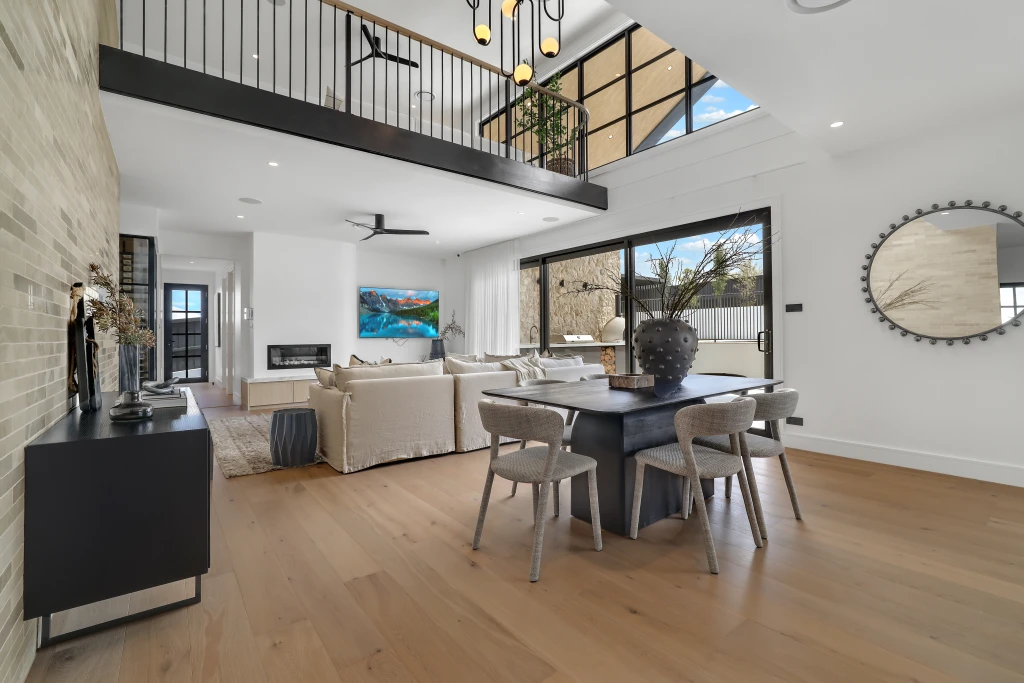

Panel Blinds Buying Guide: Panels, Stack, Fabric and Fit
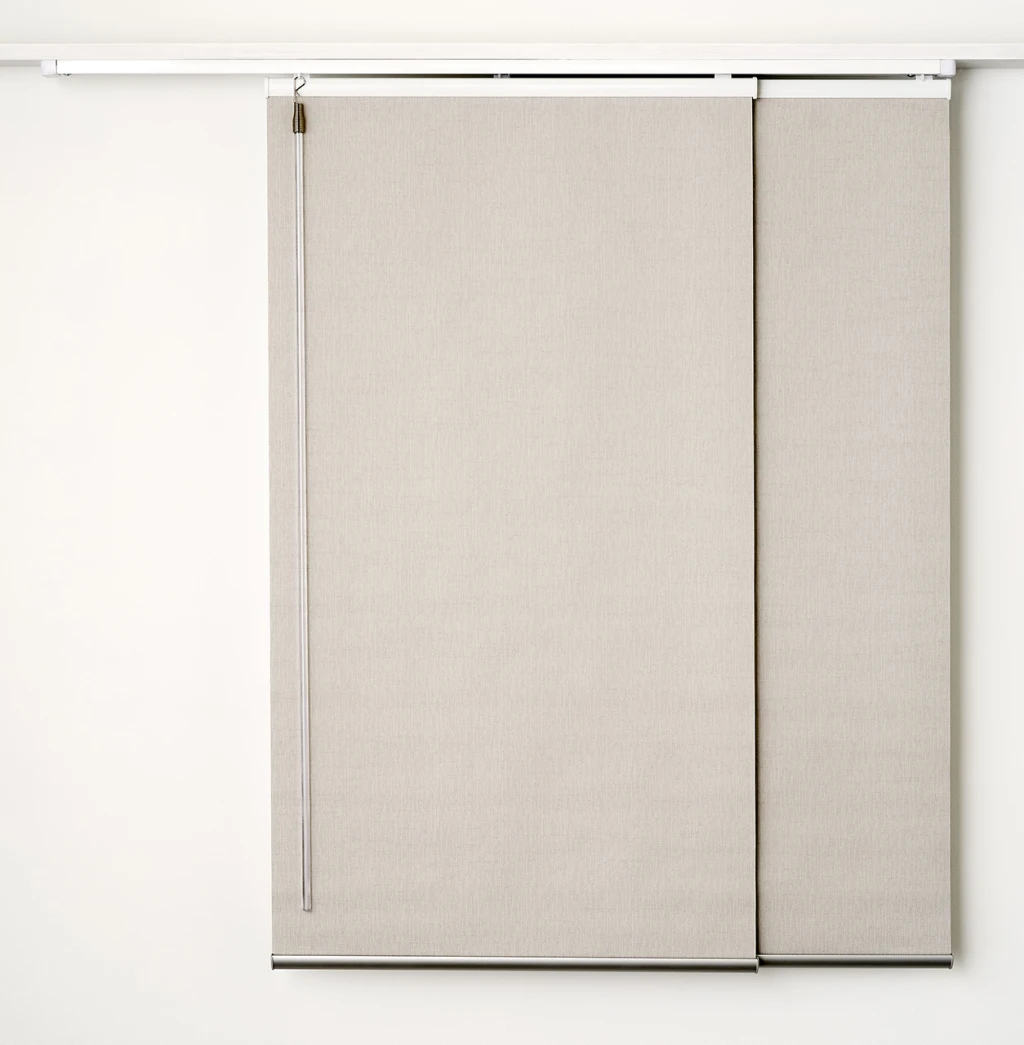
Panel blinds, also called panel glides, are wide, flat fabric panels that slide along a track and stack behind each other when you open them. This guide goes through the choices our designer asks you to make, in the same order, so you know your answers before you start. It's DIY: you measure, we make it to your sizes in Australia, and you fit it yourself.
Still deciding what goes on a sliding door? Our blinds for sliding doors guide compares vertical blinds, panel blinds, a roller blind and S-fold curtains side by side. This page is for when you've chosen panels and want to get them right.
Are panel blinds right for your opening?
They're made for wide openings. Sliding and stacker doors, big picture windows and walk-in wardrobes are where they make sense, because the panels move sideways and gather to one side, so the doorway is clear. They can also divide a room.
They're not the answer everywhere. Something else does a better job when:
- The window is under 800 mm wide. That's the narrowest panel blind we make, and a roller or roman blind is simpler on a small window.
- You want to tilt the light without opening anything. Vertical blinds turn their vanes for privacy. Panels only slide.
- The opening is wider than 4,800 mm. That's our widest panel blind. Vertical blinds go up to 5,775 mm in one blind.
- You want a motor. Panel blinds are manual. Roller blinds and curtain tracks can be motorised.
- The room has to be properly dark. Blockout panels stop light coming through the fabric, but a little still gets in around the edges. Our blockout blinds page covers the darkest options.
How many panels do you need?
This is the choice people find hardest, and it's mostly maths. Divide your width by about 700 mm and choose the panel count closest to the answer. We check every order before it's made, and we'll call you if the count looks wrong for your width.
| Your width | Panels | Example |
|---|---|---|
| Up to 2,449 mm | 3 | 2,100 mm wide: panels about 750 mm each |
| 2,450 to 3,149 mm | 4 | 2,700 mm wide: panels about 740 mm each |
| 3,150 to 3,849 mm | 5 | 3,500 mm wide: panels about 760 mm each |
| 3,850 to 4,549 mm | 6 | 4,200 mm wide: panels about 770 mm each |
| 4,550 to 4,800 mm | 7 | 4,800 mm wide: panels about 750 mm each |
The trade-off is the stack. Open panels sit behind each other and take up about one panel's width, or one on each side if they open from the centre. On a 2,400 mm sliding door, 3 panels stack into about 850 mm and 4 panels into about 660 mm. Fewer, wider panels look cleaner when they're closed. More panels leave more glass clear when they're open.
You can choose anywhere from 3 to 8 panels on any width we make, so go up a panel if a narrower stack matters more to you than the look.
Which way should the panels stack?
Stack them away from the side you walk through. If you step out on the right, choose a left stack and the panels gather out of your way. Centre open parts them in the middle and gathers them on both sides, which suits a wide window you look through more than walk through.
In the designer, left and right stacks come on 3 to 6 panels, and centre open on 5, 7 or 8 panels.
One thing people miss: even stacked, the panels still cover about one panel's width of glass. If you'd rather the stack sat on the wall beside the door, fit the track outside the opening and measure wider than the frame. For a sliding door we suggest at least 50 mm past the opening on each side, and more on the stack side if you want more glass clear when it's open.
Blockout, light-filtering or sunscreen?
Decide what you want the room to feel like first, then pick the fabric. We have nine blockout, seven light-filtering and two sunscreen fabrics for panels.
- Blockout (Vibe, Sanctuary, Jersey, One Block, Le Reve, Skye, Metroshade, Linesque and Balmoral): no light through the fabric and full privacy, day and night. Bedrooms, media rooms, a slider off the main bedroom.
- Light-filtering (Sanctuary, Jersey, Balmoral, Le Reve, Skye, Linesque and Metroshade): a soft glow and privacy by day, like frosted glass. At night with the lights on, people outside can see silhouettes. Lounge and dining rooms.
- Sunscreen (One Screen and Kleenscreen): a see-through mesh that cuts glare and keeps your view of the garden by day. At night with the lights on, people can see in. Kitchens, studies and rooms with a view.
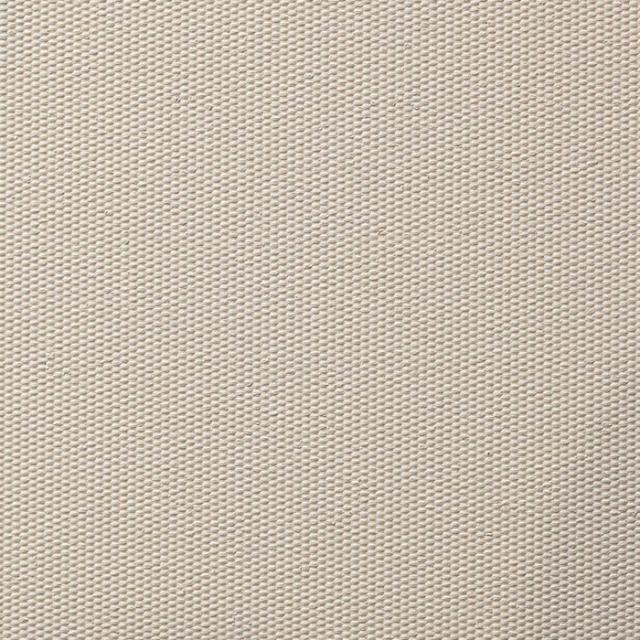
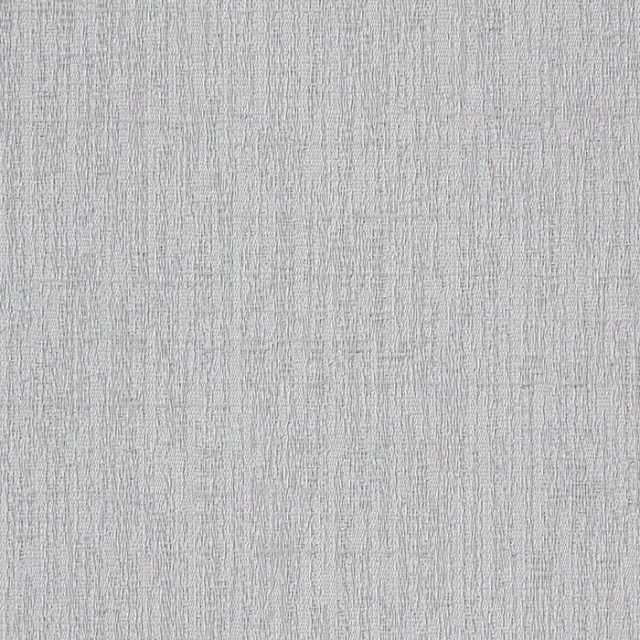
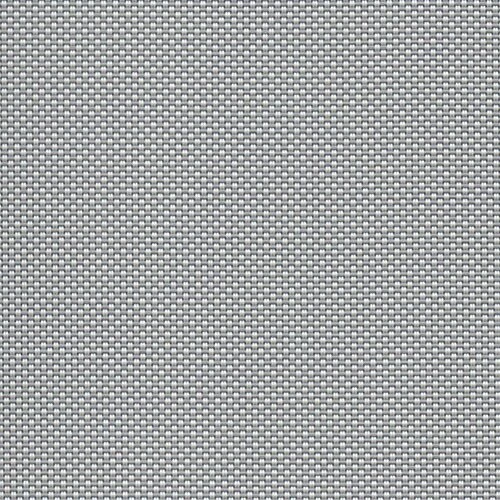
Every panel fabric range is also sold in our roller blinds, so the panels on the door can match the roller on the window next to it. Our panel blinds page lists every fabric with its colour count and the price for a door-sized blind.
Colours look different on a screen. Order up to 10 free samples, posted free, and hold each one flat against the wall beside the door, in daylight and again at night. Whites are the tricky ones: a white blind beside a warm cream wall can look grey. Dark blockouts block light just as well as pale ones; they just show dust more.
Track and bottom rail colour
The track is the part you see when the panels are open, so match it to the door frame or the ceiling: anodised silver, white or black. The bottom rail is the weighted bar along the foot of each panel that keeps it hanging straight. Match it to the track unless you want it to show. Anodised silver is a brushed finish that sits well with aluminium door frames.
The panels run on a Rollease Acmeda CU41 panel glide track. You open and close them with a wand on the leading panel, so there's no chain or cord hanging down.
Inside or outside the opening?
Outside the opening (face fit) is the usual choice for sliding doors and wide windows. The track goes on the wall above the frame, the panels cover the whole opening, and it blocks the most light. If you're not sure, choose outside.
Inside the opening (recess fit) gives a built-in look, but only where the reveal is deep enough to take the track, and the track is deeper the more panels it carries. Measure the depth of your reveal before you choose it.
Check the door handle too. Fitted above the frame, the panels hang in front of it. When you measure, note anything that sticks out into the path of the panels, such as a handle or a lock.
How to measure for panel blinds
- Use a steel tape and write everything down in millimetres.
- Width: measure at the top, middle and bottom. For an inside fit, give us the smallest. For an outside fit, give us the width you want covered, including the extra past the frame.
- Drop: measure on the left, in the centre and on the right, from where the track will sit to where you want the panels to finish. Leave a small gap above the floor. We make drops up to 3,300 mm.
- Measure every door and window, even the ones that look the same.
- Give us the real numbers. We make every deduction for you, so don't take anything off.
If a number looks odd to us, we'll call you before your order goes to the workshop. If you want a second check, the Perfect Fit Guarantee is a paid add-on: we video call you to check your measurements before we make it. Our measuring guide has the full method.
Fitting them yourself
Our panel glide install guide has the video and a printable PDF. The short version:
- Use the brackets supplied. There's one type for a recess fit and one for a face fit.
- Face fit: fix the brackets flush with the top of the architrave, 2 cm in from each end, and space the rest evenly between them.
- Recess fit: fix the brackets to the top of the frame, at least 2 cm in from each end, with the rest spaced evenly.
- Hold the track, insert the mounting clip into the channel, roll it back and click it into place. Check every bracket has clicked.
- Unscrew the end of the rail, slide the fabric in, screw the end back on and test that the panels glide.
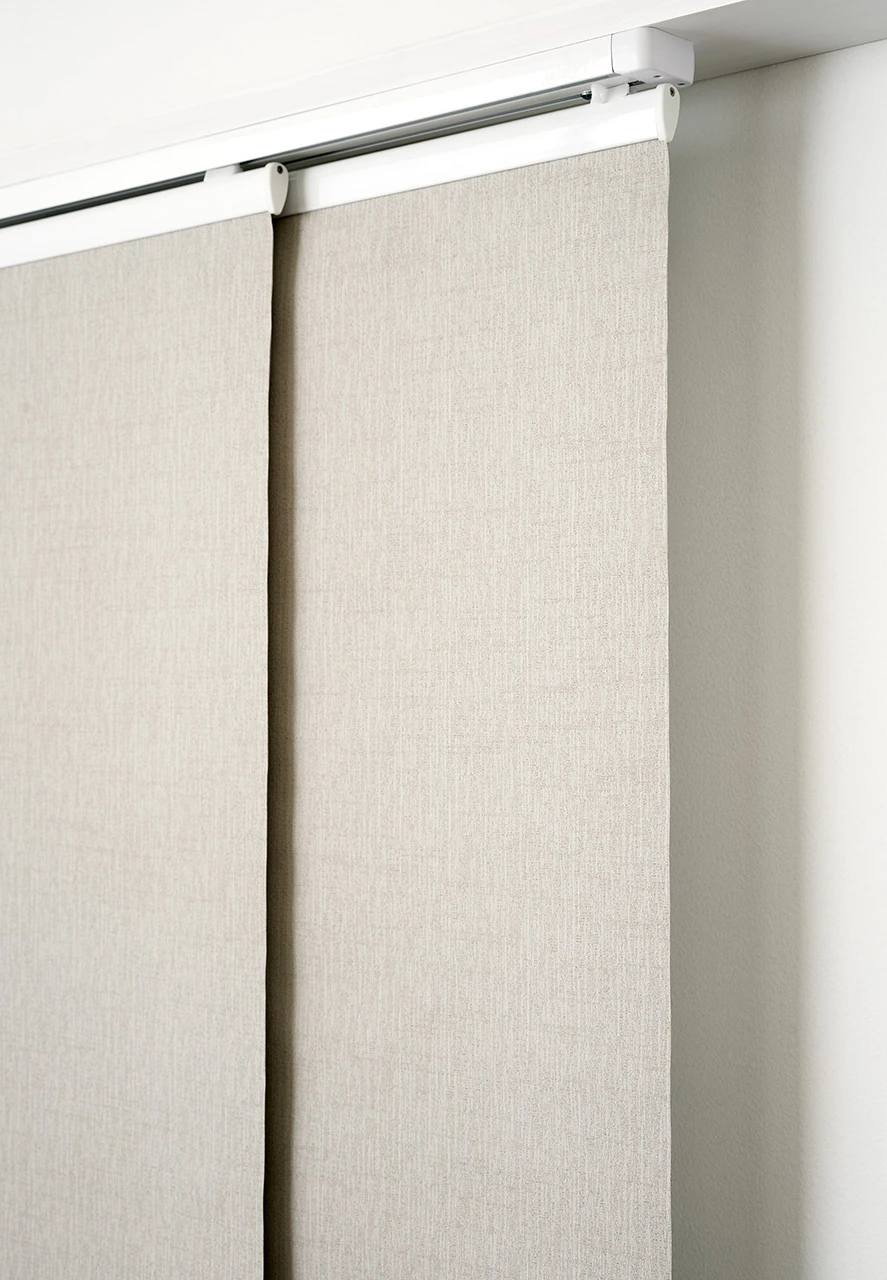
Lost an end cap, or need another recess bracket down the track? They're in our panel glide spare parts.
Living with panel blinds
Dust the panels with a soft cloth, or a vacuum with a brush attachment. For anything more, follow the care instructions for your fabric.
Every panel blind is made in Australia to your sizes and dispatched 8 to 15 business days after you order. Delivery is worked out by postcode at checkout, and our 5-year warranty covers materials, mechanisms and workmanship.
How many panels do I need for a 2,400 mm sliding door?
Three or four. 2,400 mm divided by about 700 mm is just over three, so 3 panels is the starting point. Choose 4 if you want a narrower stack: about 660 mm when open, against about 850 mm with 3.
Do panel blinds block all the light?
Blockout panels stop light coming through the fabric, and the panels overlap by about 80 mm so light doesn't get through between them. A little still comes in around the edges, and an outside fit blocks the most.
Can panel blinds be motorised?
No, ours open and close with a wand. If you want a motor on a sliding door, look at a roller blind or a curtain track.
What is the difference between panel blinds and vertical blinds?
Panels are a few wide, flat pieces of fabric that slide. Verticals are lots of narrow vanes that turn as well as slide. Panels look flatter and come in sunscreen fabric; verticals tilt for privacy and go wider, up to 5,775 mm in one blind.
Can I use panel blinds as a room divider?
Yes. The panels slide across to split the space and stack away when you want it open. Call us on 1300 195 797 before you order and we'll talk through where the track goes.
How long do panel blinds take?
We dispatch them 8 to 15 business days after you order. Samples post separately, so they never hold up an order.
Design your panel blind
Pick your fabric, panels and stack, and see the price as you go.
You may also like

You may also like
Subscribe for new fabrics and install tips.
One email a month: new fabrics, install tips, the occasional honest before/after.
No spam, no daily-deal noise.

It’s never too early to consider window furnishings when you’re planning on renovating or building. Our expert team of design consultants can help create unique solutions and seamless designs and even quote directly off your house plans.





More Info
InspirationAbout UsContact UsOur ArticlesSuccess StoriesPerfect Fit GuaranteeDelivery InformationCustomer ReviewsFrequently Asked QuestionsGet in Touch
Address: 16 Bradwardine Road, Robin Hill NSW 2795
Email: hello@homeblindsaustralia.com.au
Phone: 1300 195 797
More Info
InspirationAbout UsContact UsOur ArticlesSuccess StoriesPerfect Fit GuaranteeShipping & Return PolicyCustomer ReviewsFrequently Asked QuestionsGet in Touch
Address: 16 Bradwardine Road, Robin Hill NSW 2795
Email: hello@homeblindsaustralia.com.au
Phone: 1300 195 797
© Copyright Home Blinds Australia 2026. All Rights Reserved.
Payments Accepted:
